About this set
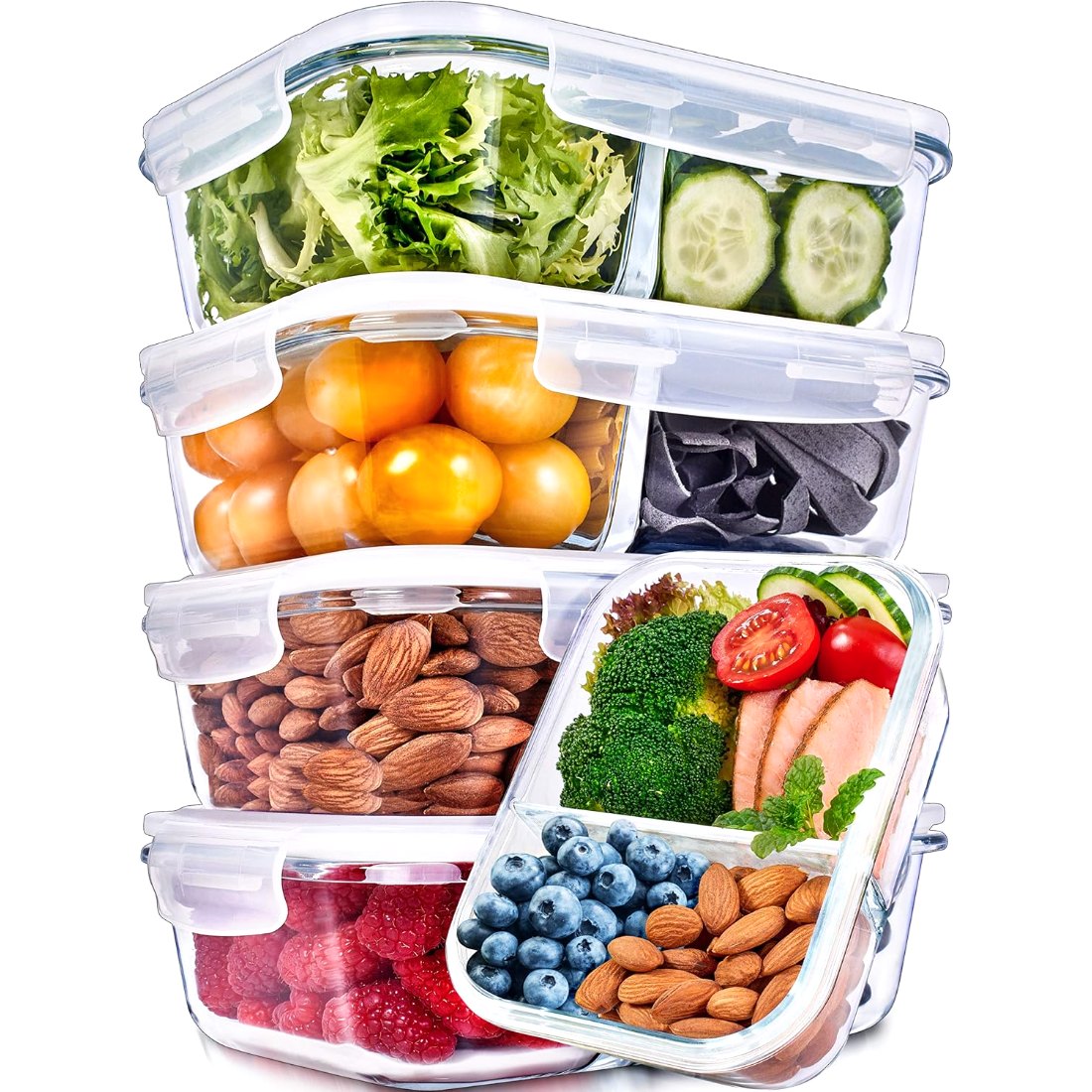
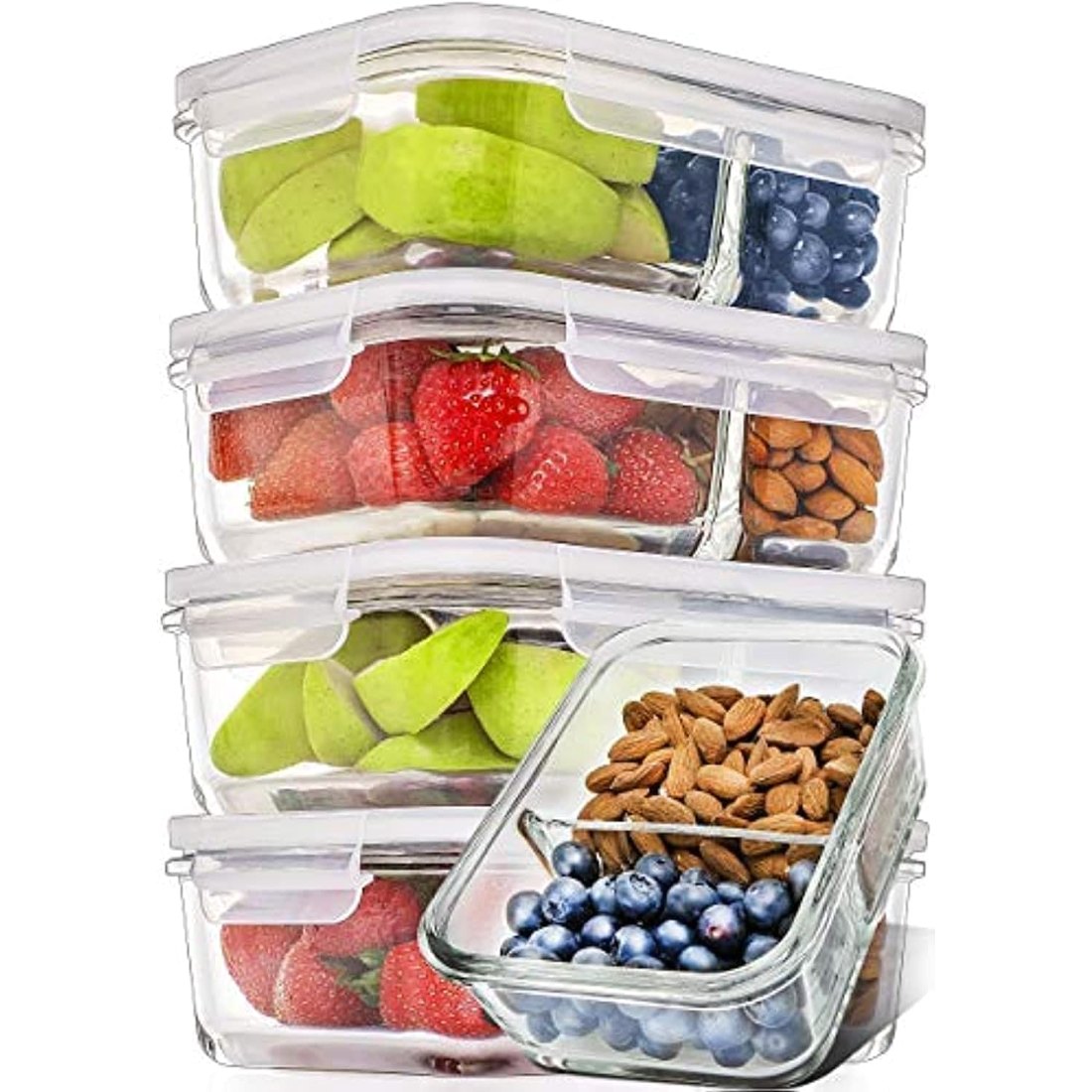
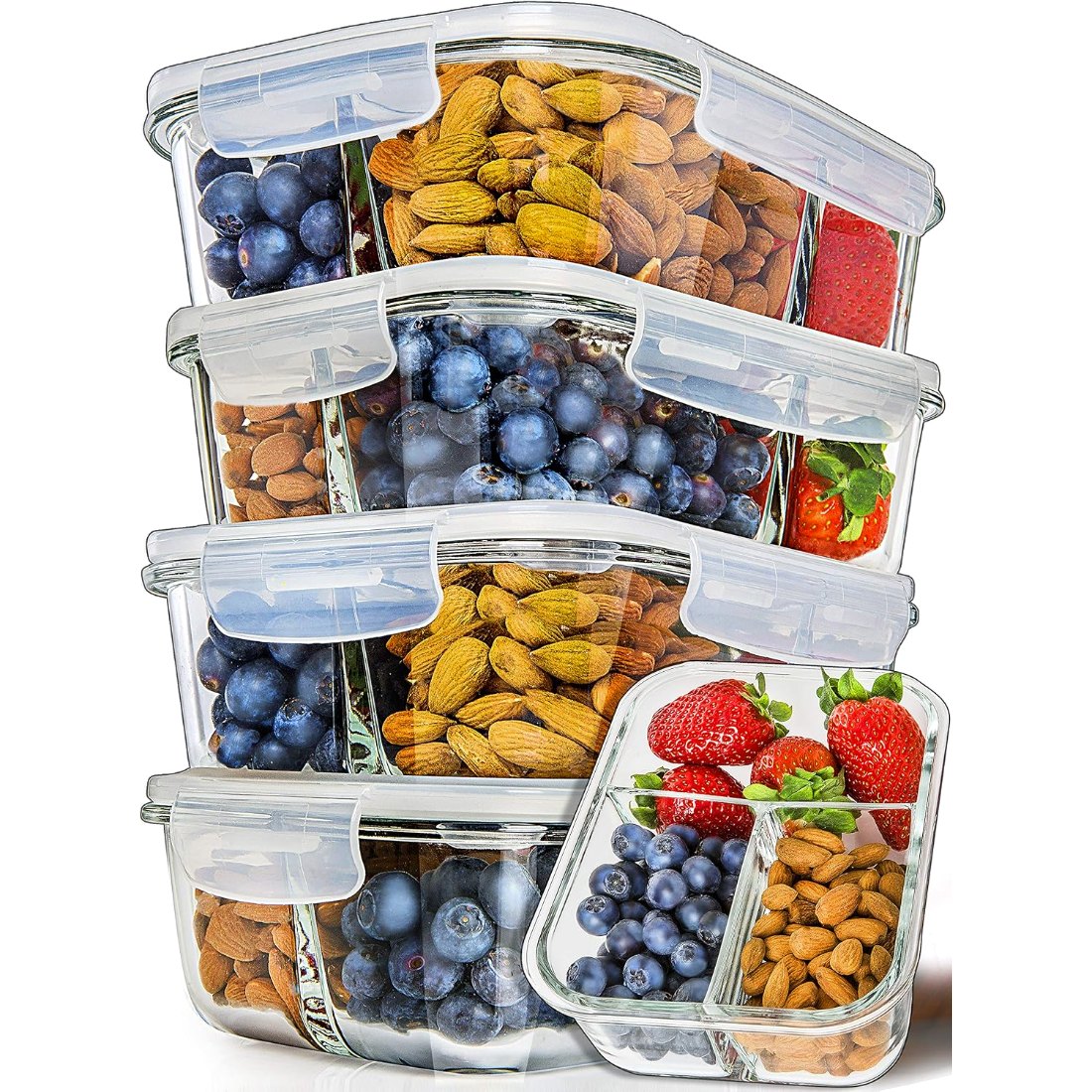
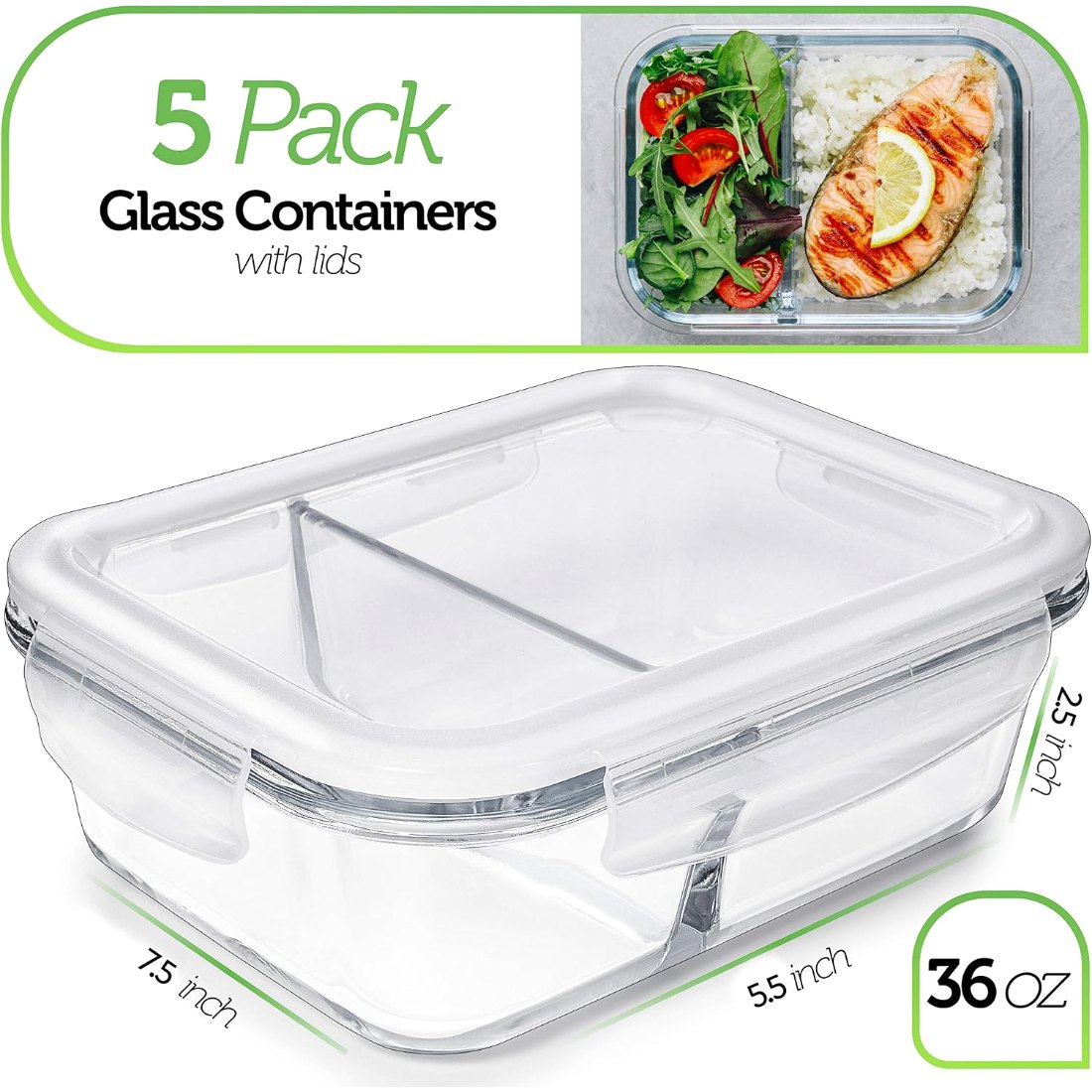
The two bay layout in the larger 36 oz body, so the main side still takes a full dinner rather than a lunch. This is the divided dish for people who found the three bay version too tightly rationed.
What separates this from a supermarket storage dish is the glass itself. Borosilicate was developed for laboratory work in the eighteen nineties for one reason: it survives being heated unevenly. The domestic version of that property is a dish you can roast in, chill, and put in a microwave four days later without thinking about any of it.
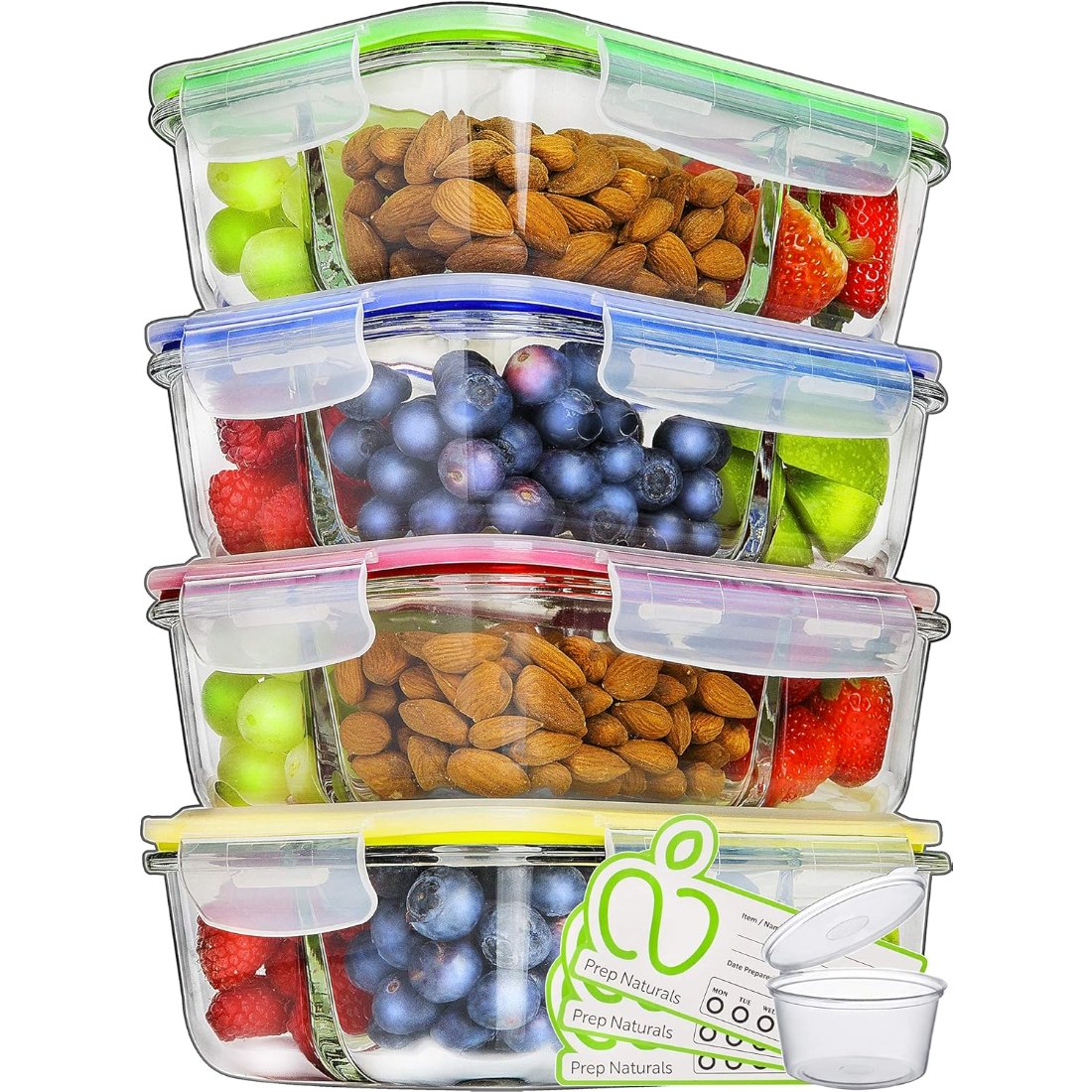
Four clips and a silicone gasket seal the lid. That is what makes the dish bag-safe rather than just fridge-safe. The lid stays out of the oven, and it comes off or sits loose in a microwave, because steam with nowhere to go is what ends a gasket's useful life.
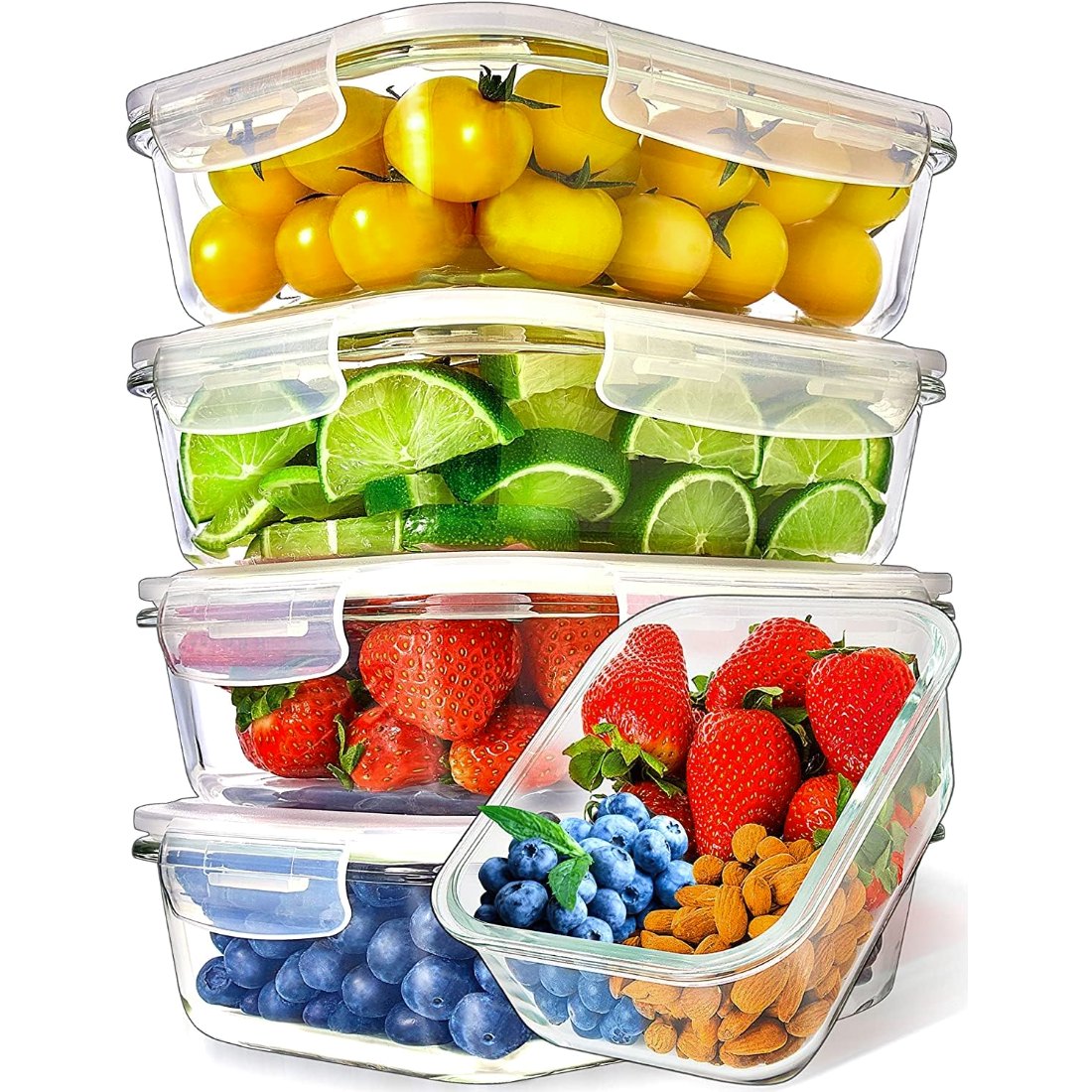
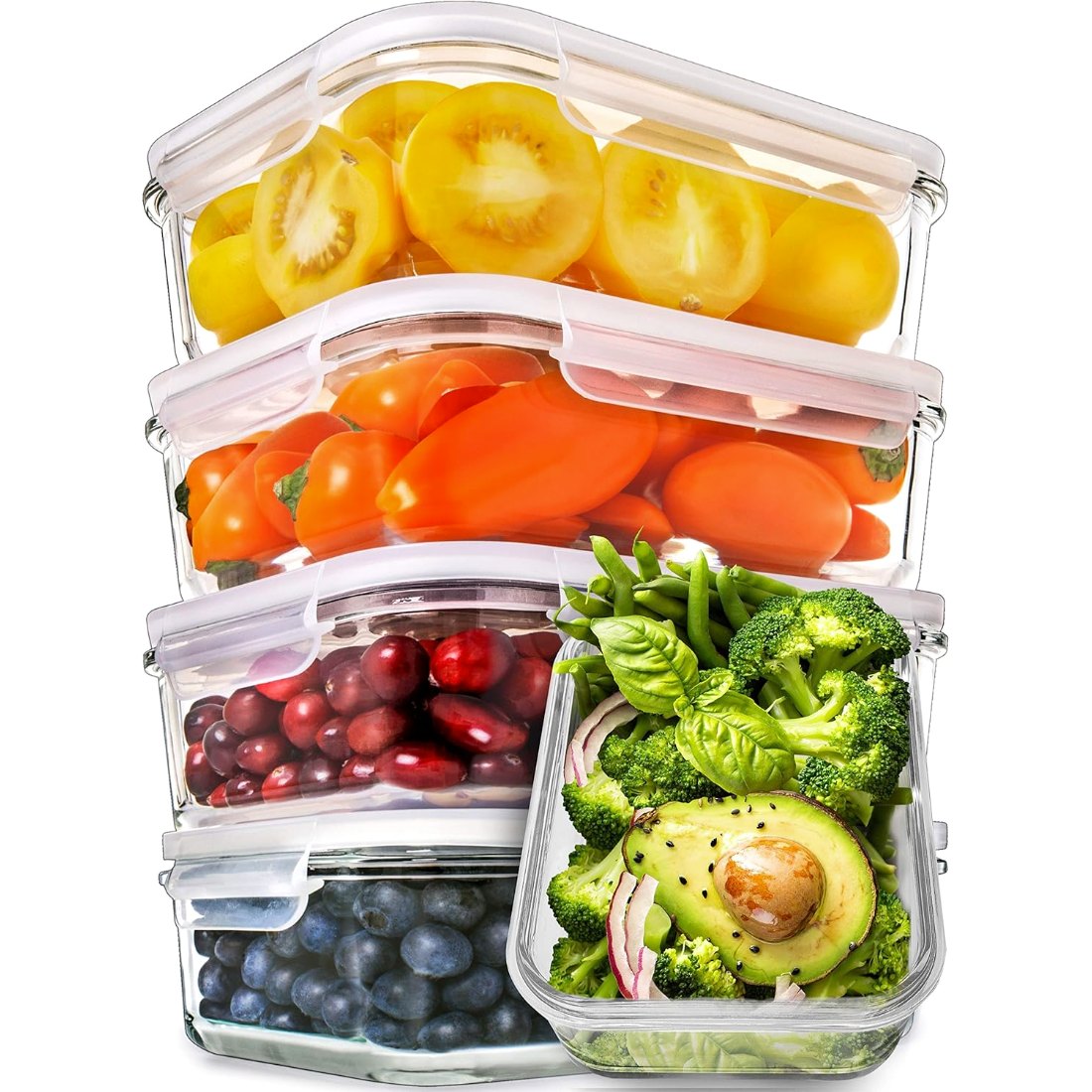
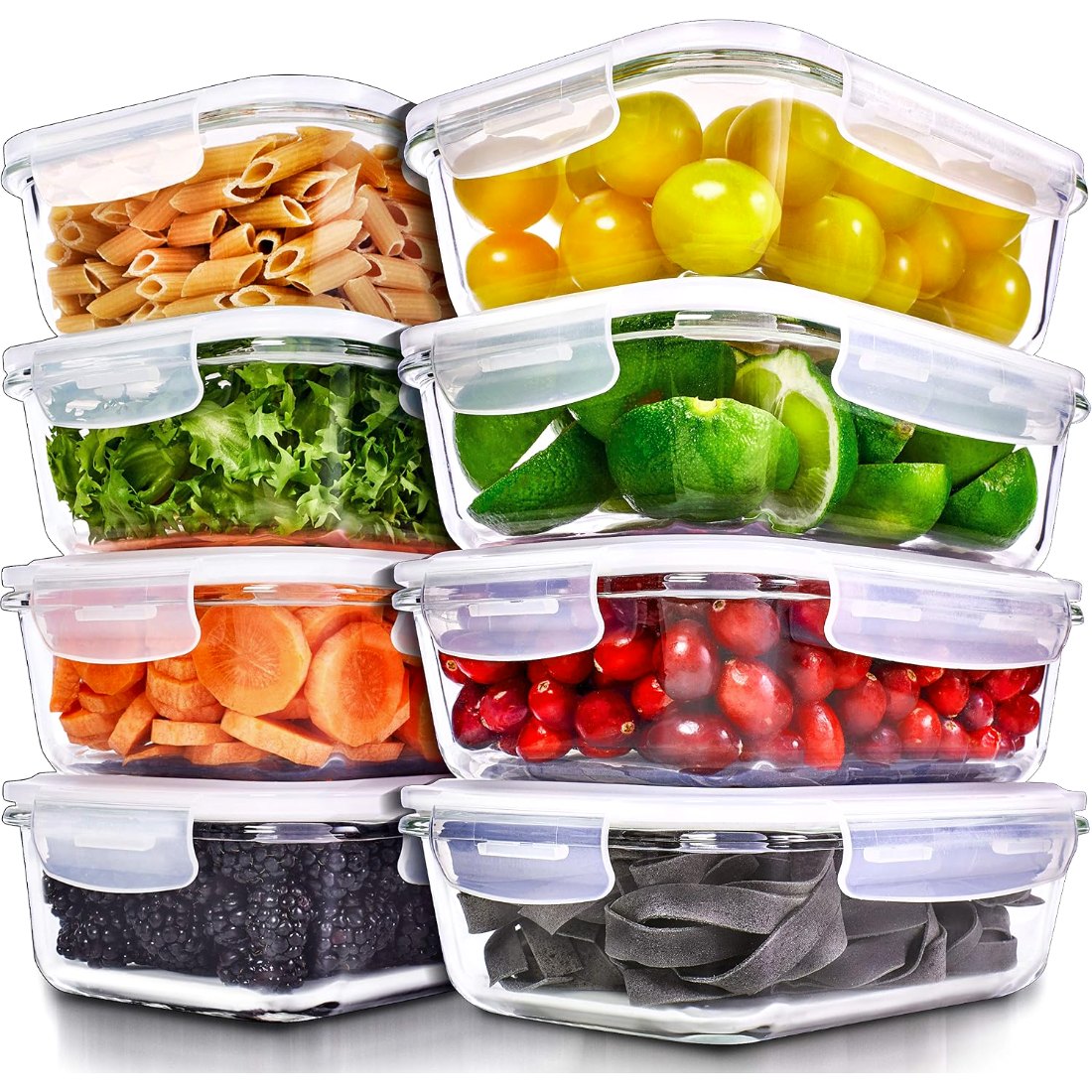
Five come in the box. Five covers a working week with nothing spare, so most households end up with two sets rather than one. The kit builder on this site does that arithmetic properly.
Before the first use. Wash everything once, lids included, and check that each gasket sits flat in its groove. A gasket that arrived twisted will leak, and straightening it takes thirty seconds before there is food in the dish rather than after.