About this set
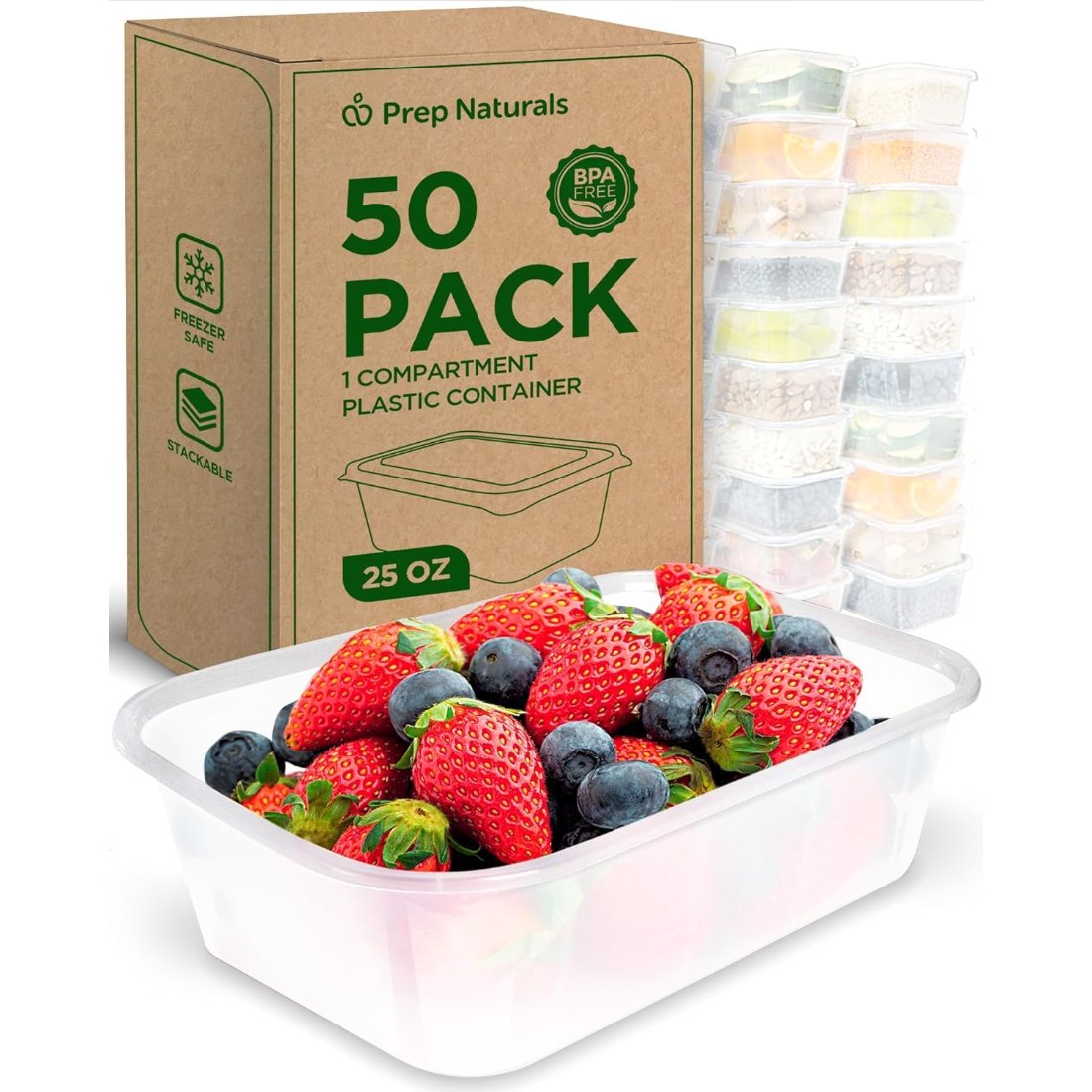
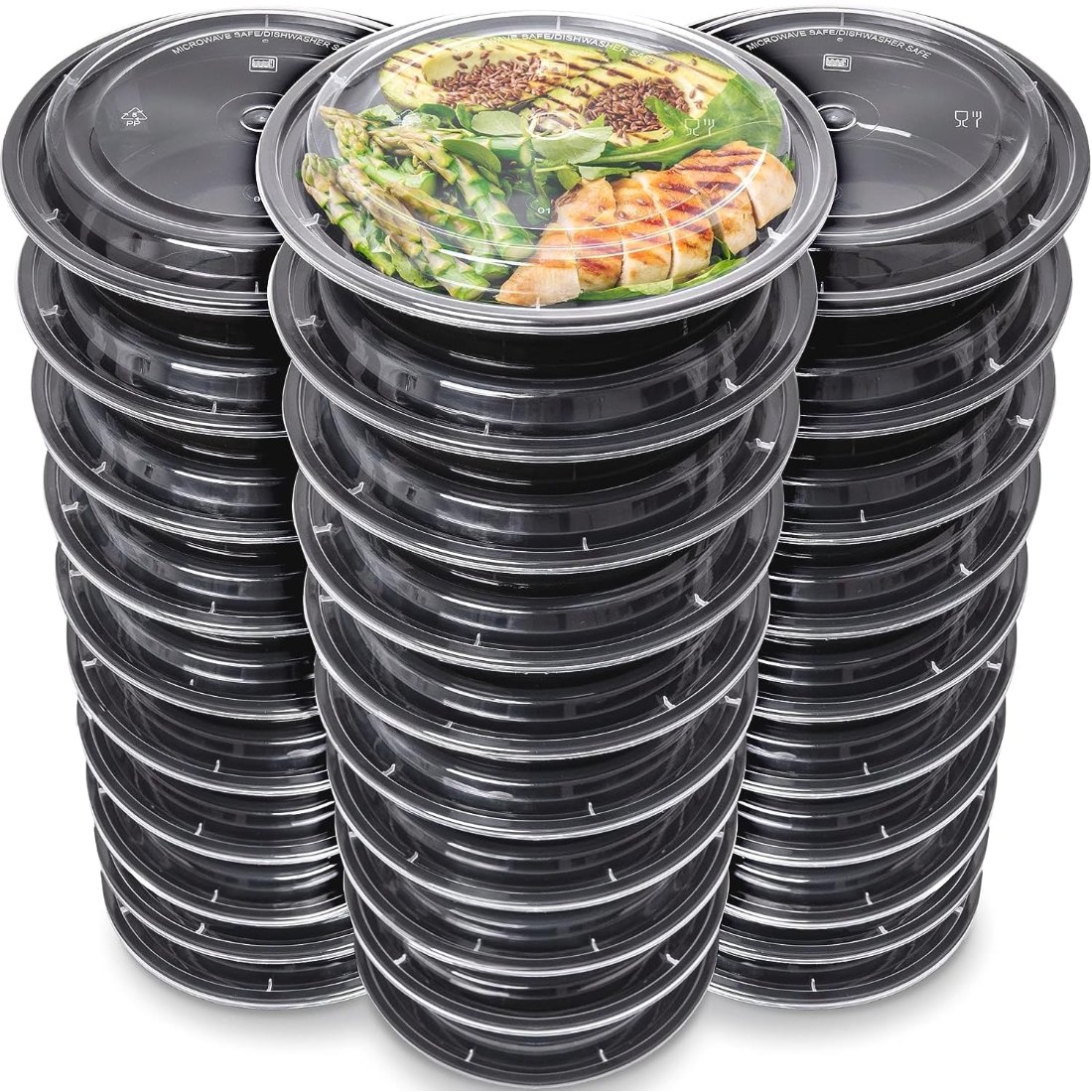
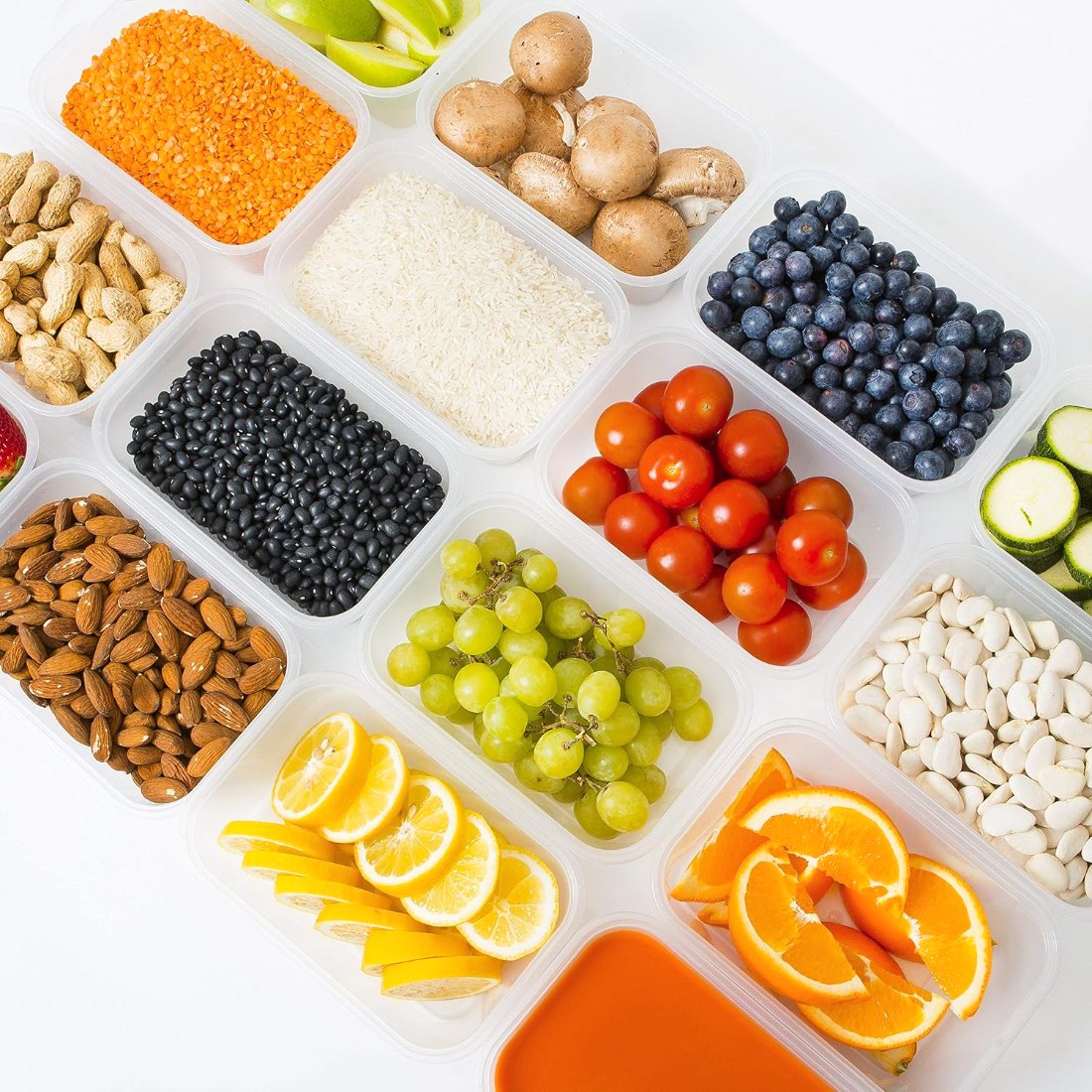
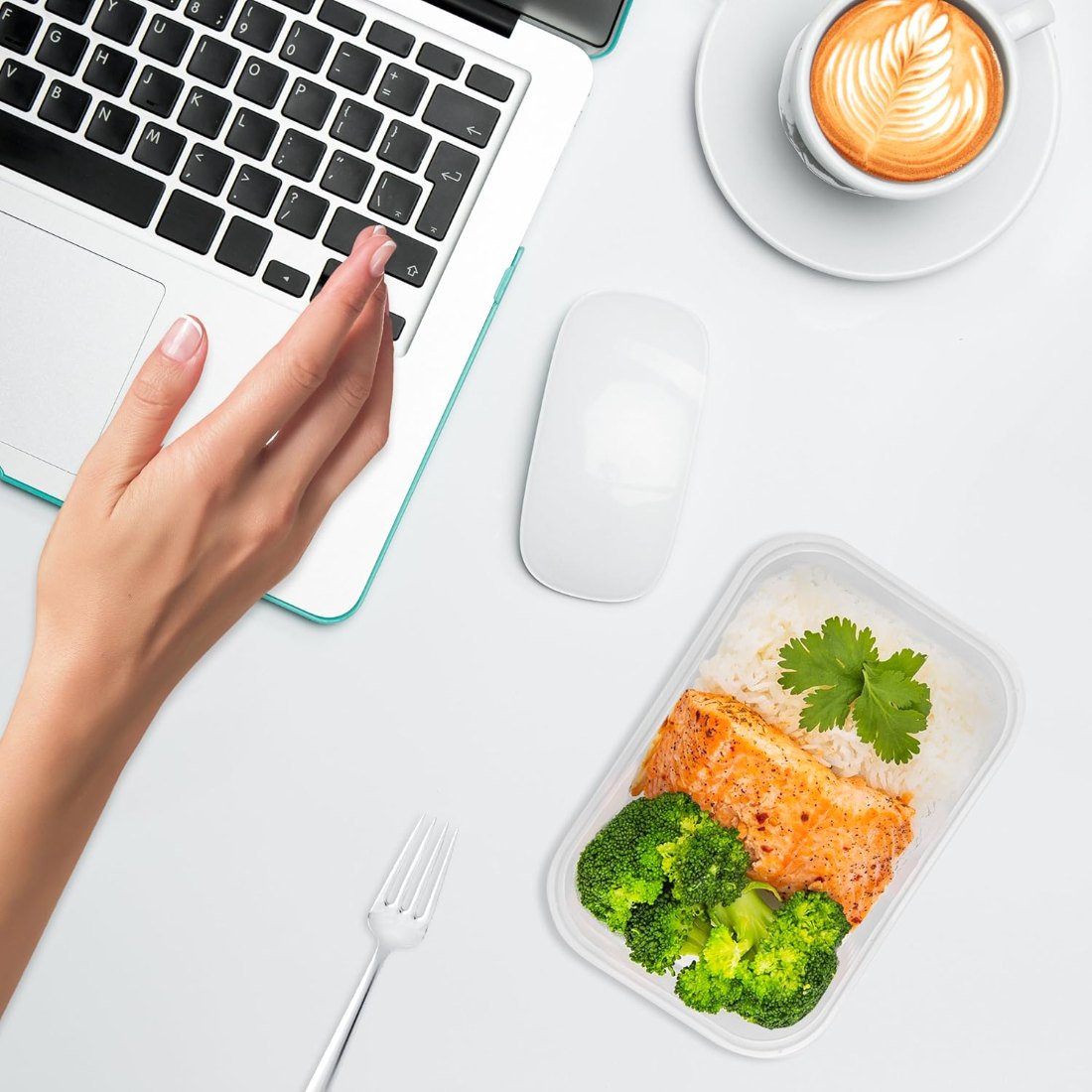
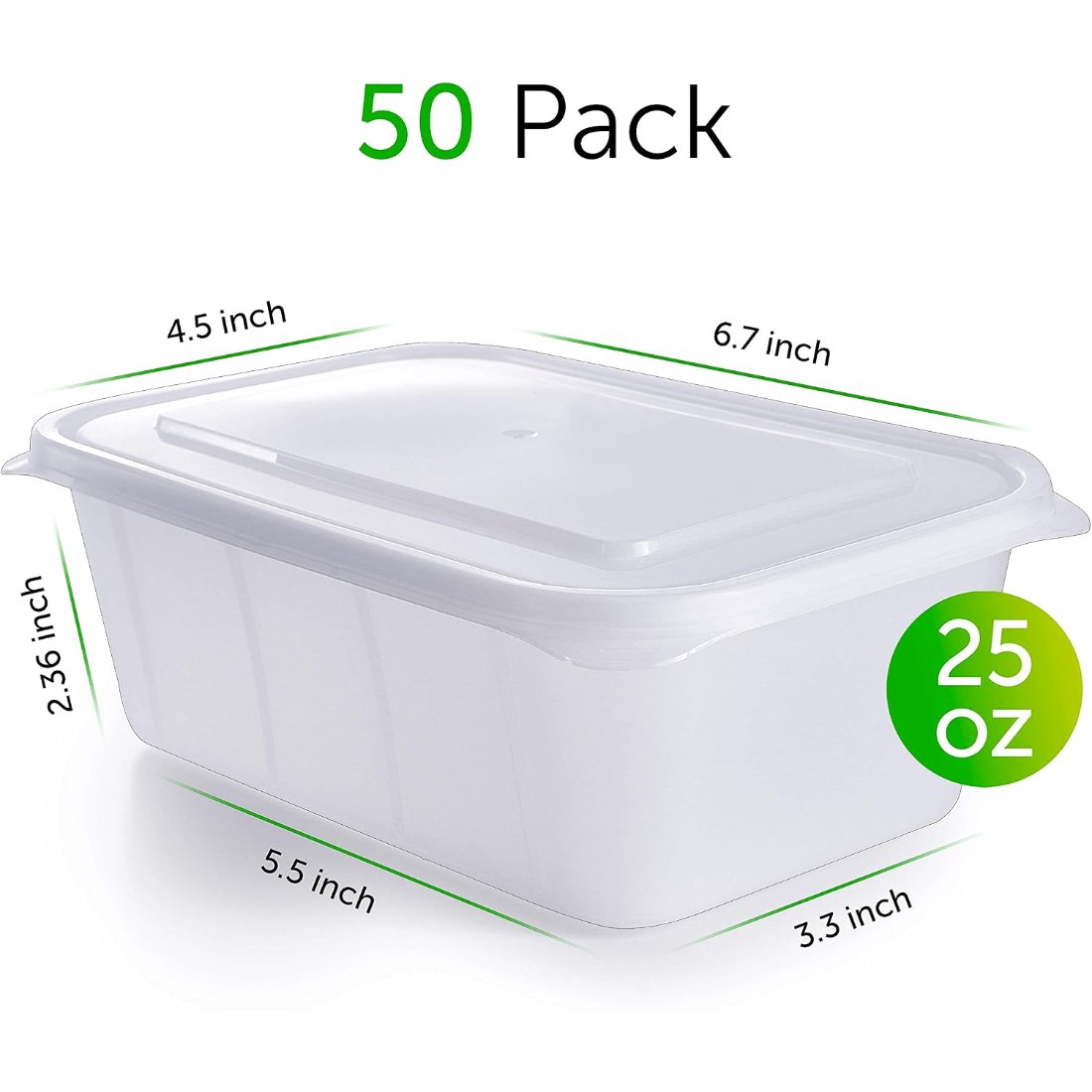
Fifty clear boxes. Clear matters more than it sounds in a full fridge, where the difference between finding lunch and opening four lids is whether you can see what is inside.
Polypropylene, which is the plastic marked 5 on the recycling triangle. It is the standard material for reusable food storage for two reasons: it holds its shape up to microwave temperatures, and it is not made with bisphenol A. The range is free of BPA, PVC and phthalates.
Buying by the fifty changes how you use a container. A box that cost a few cents can go out with a lunch and stay at the office, go into a freezer for six months, or be handed over full to somebody who is ill without either of you thinking about getting it back. That is a different tool from a glass dish you count and reclaim.
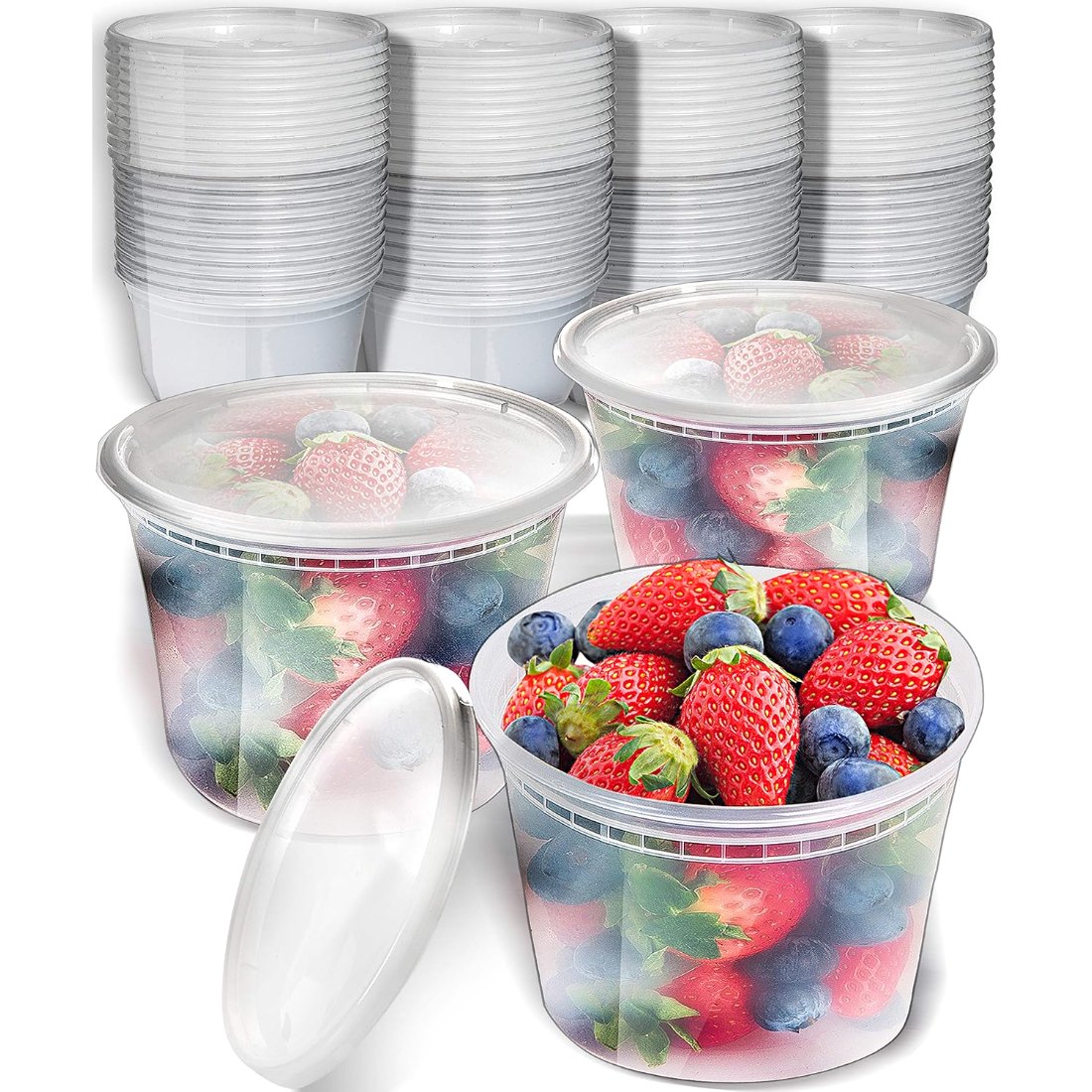
Clear on all sides, so what is in the fridge is identifiable without opening anything. The trade off is that turmeric and tomato will stain it over time. Lids snap rather than clip, so they seal against splashing but are not the choice for a bag carried on its side.
Before the first use. Run the whole pack through a dishwasher on the top rack before the first use, and check that a lid from the middle of the stack still snaps cleanly. Boxes moulded in a batch of fifty vary slightly, and the time to find the odd one is now.